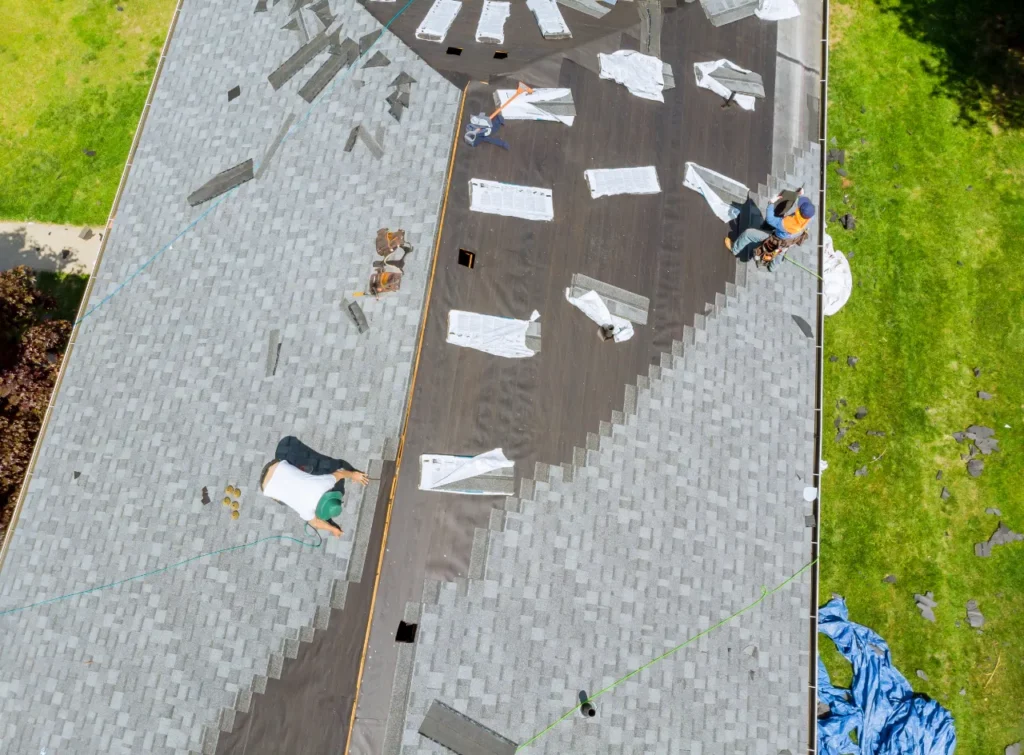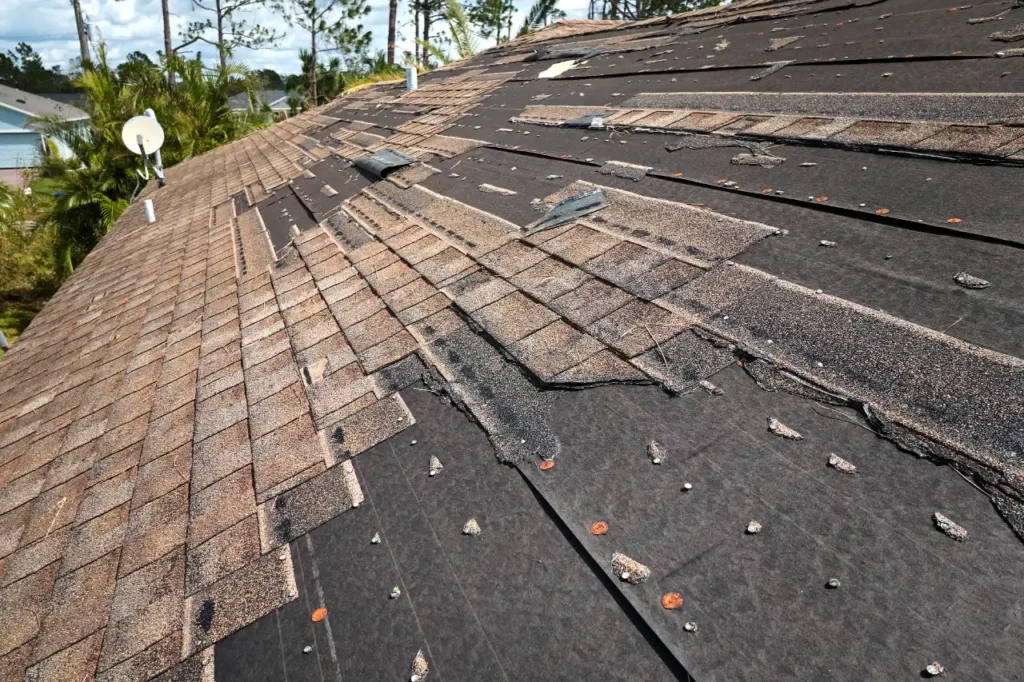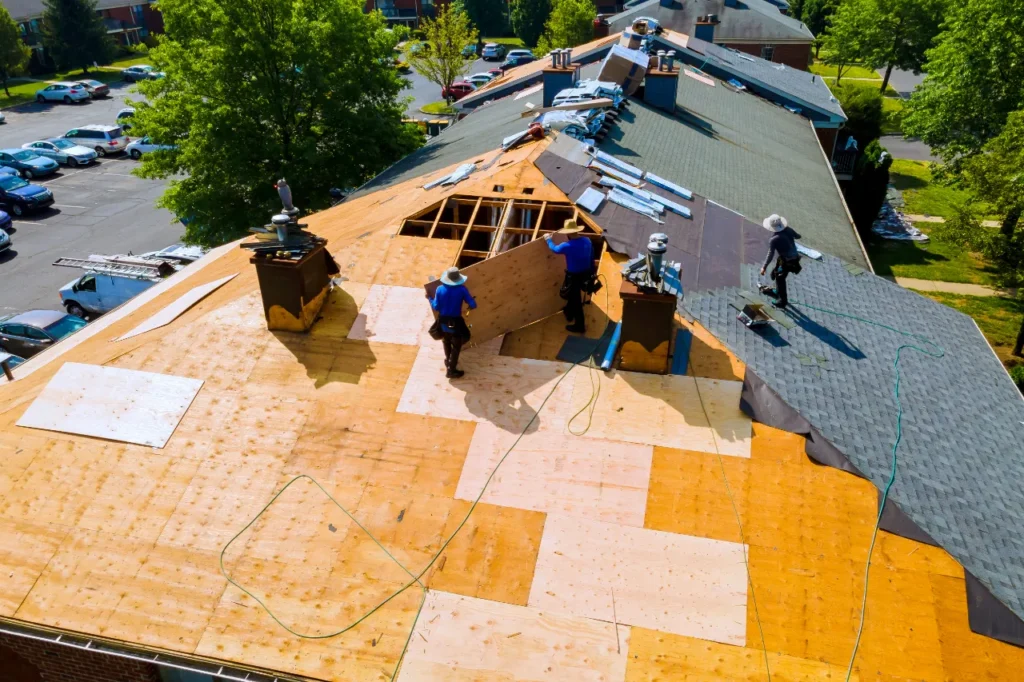
Choosing between a metal roof and asphalt shingles in Massachusetts comes down to one honest question: how long do you plan to own the house? Metal costs meaningfully more the day it goes on, and it pays that back over decades of service that asphalt can’t match. If you’re selling in three years, that math looks very different than if this is the house your kids grow up in. Everything else people argue about, noise, appearance, resale, snow, tends to be secondary to that first question, and much of it is based on how metal roofs were installed forty years ago rather than how they’re installed now. Both systems work perfectly well in New England. Both fail early when the details underneath are skipped. Here’s a straight comparison of how each one behaves on a real house in this climate, so you can weigh it against your own situation instead of a sales pitch.
Cost, and What You’re Actually Buying
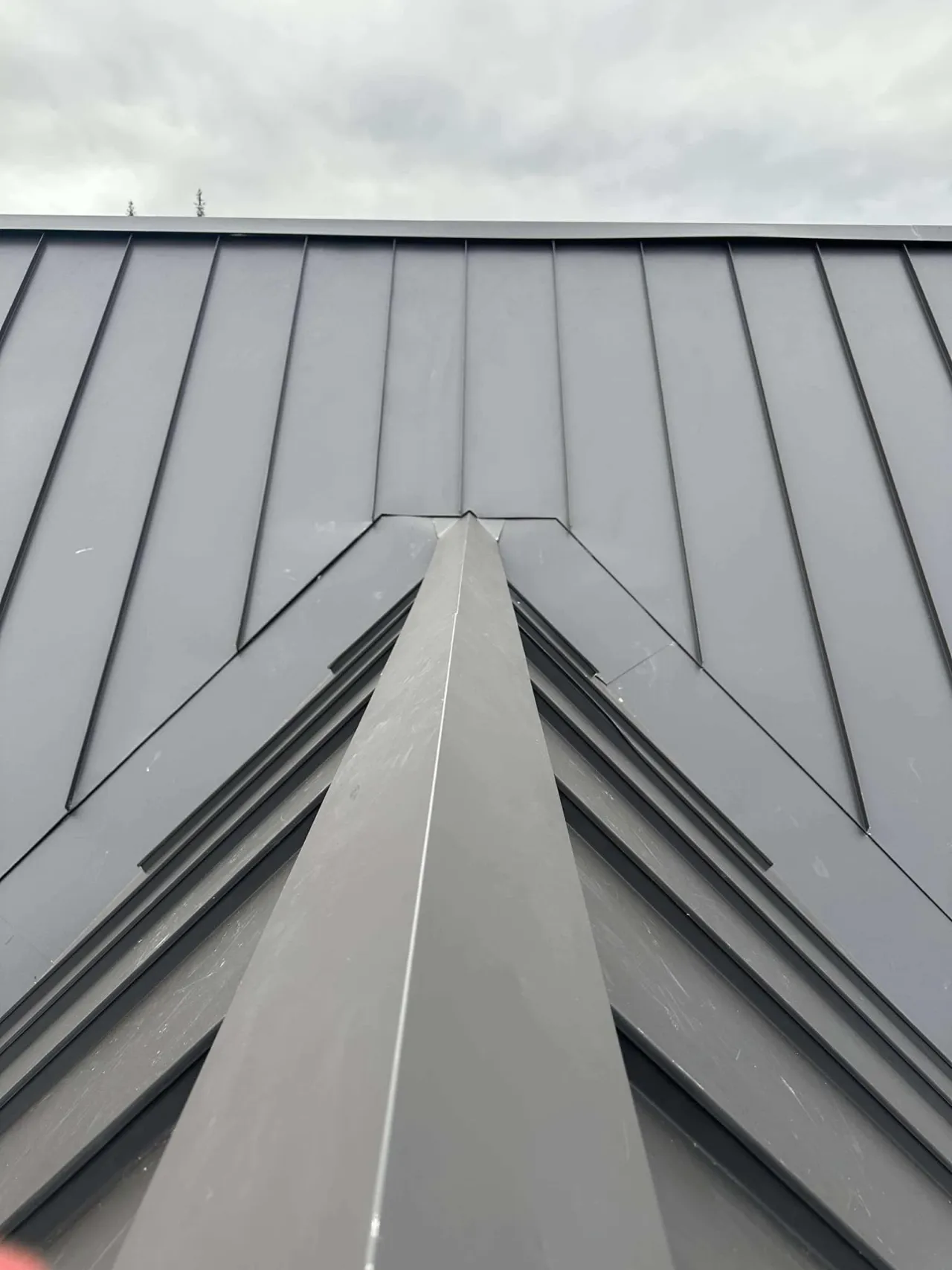
Asphalt wins on install cost, and it isn’t close. That’s the main reason it’s on most houses in the region. Standing seam metal costs considerably more because the panels are fabricated to your roof, the clips and trim are formed in metal, and the labor takes longer. What you’re buying with that premium is service life and a system with no exposed fasteners to back out. Over the span of one metal roof you’d typically install asphalt more than once, plus the tear off and disposal each time. If you’ll be in the house long enough to reach that second asphalt roof, metal generally comes out ahead. If you won’t, shingles are the rational choice and nobody should talk you out of them.
Snow, Ice, and New England Winters
This is where metal separates itself. Snow slides off a metal panel instead of sitting on it for months, so the load leaves the structure and there’s far less meltwater available to build ice at the eaves. Shingles hold snow by design, which is exactly what creates the ice dam cycle so many Massachusetts homeowners fight every January. The tradeoff is that sliding snow has to land somewhere, so snow guards get planned into the layout wherever there’s an entry, a walkway, a deck, or a parking spot below. Skip that step and you’ll be replacing gutters and trim. Handled properly, metal is the stronger performer in a hard winter by a wide margin.
Noise, Appearance, and Resale
The noise complaint comes from barns, where metal sits on open purlins with nothing underneath. On a finished house with solid decking, underlayment, insulation, and a ceiling between you and the panels, rain on metal is not the drumming people imagine. Appearance is genuinely subjective, and standing seam has been on New England houses for generations, so it reads as traditional in plenty of neighborhoods. Some historic districts have review requirements worth checking before ordering material. On resale, a newer roof of either type helps. Metal’s advantage is that a buyer sees a roof with decades of life left rather than one they’ll be replacing.
When Each One Is the Right Call
Shingles make sense when the budget is the constraint, when you’re selling in the near term, when the roof has complicated geometry with many small planes, or when you want the simplest possible repair path for storm damage. Metal makes sense on a house you’re keeping, on steep slopes and long roof runs, in heavy snow areas, and anywhere ice dams have been a recurring problem. Plenty of houses end up with both: metal on the main roof where snow load matters, rubber membrane on the flat porch section, and shingles on a low visibility outbuilding. The right answer depends on your roof and your timeline, which is why we price both before anyone commits.