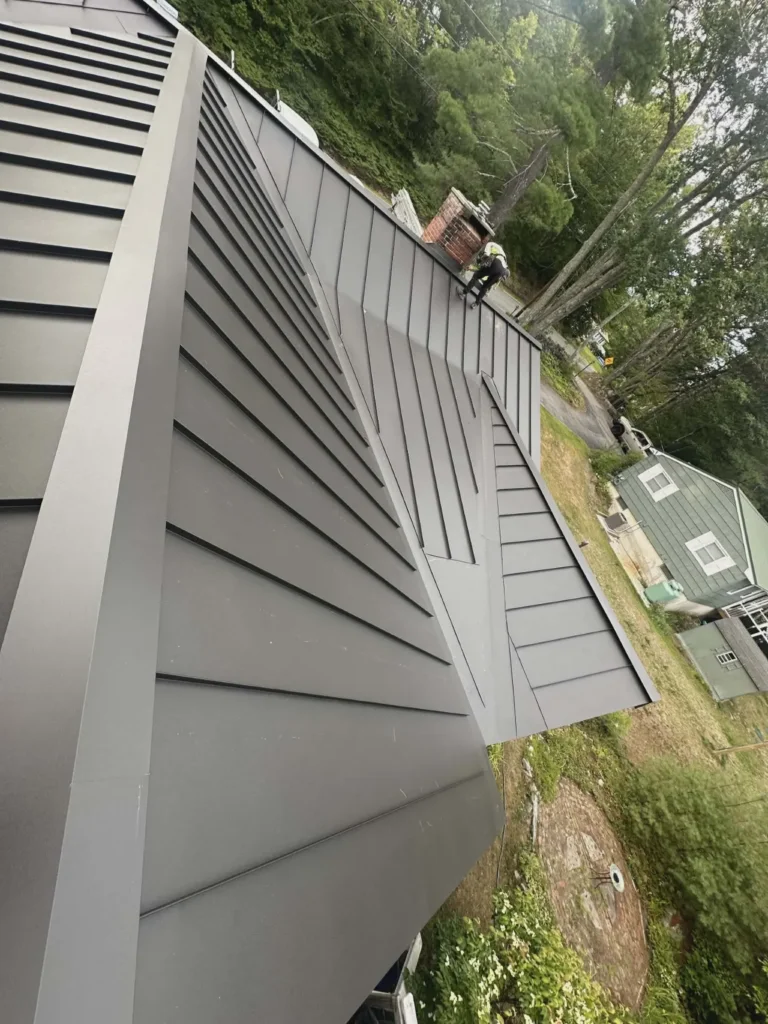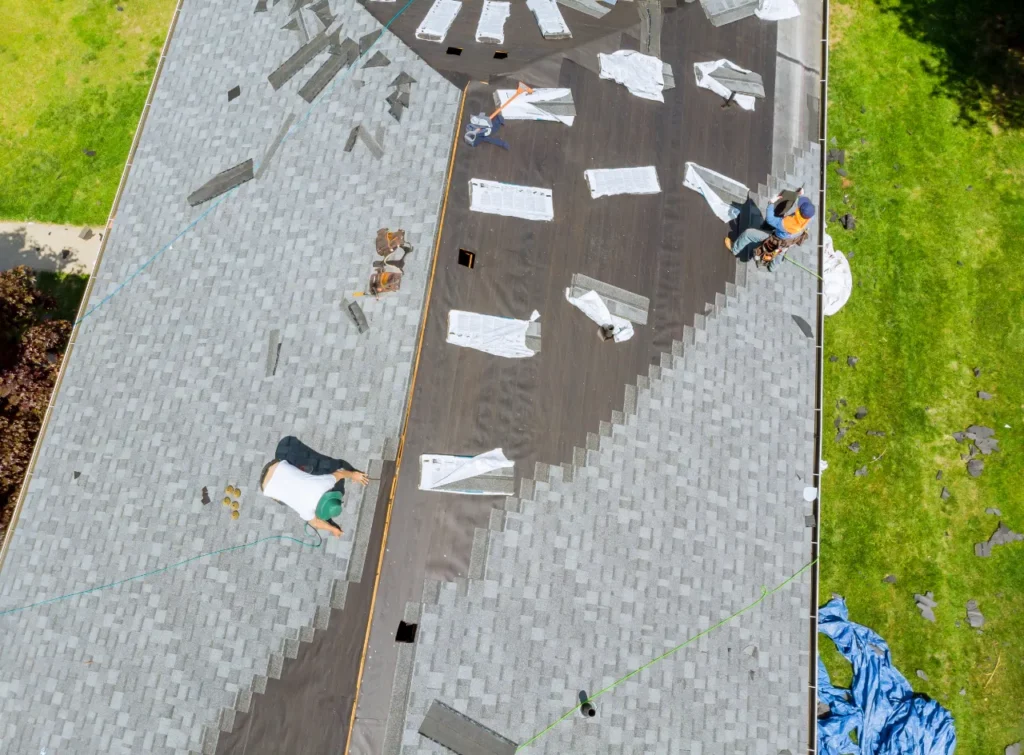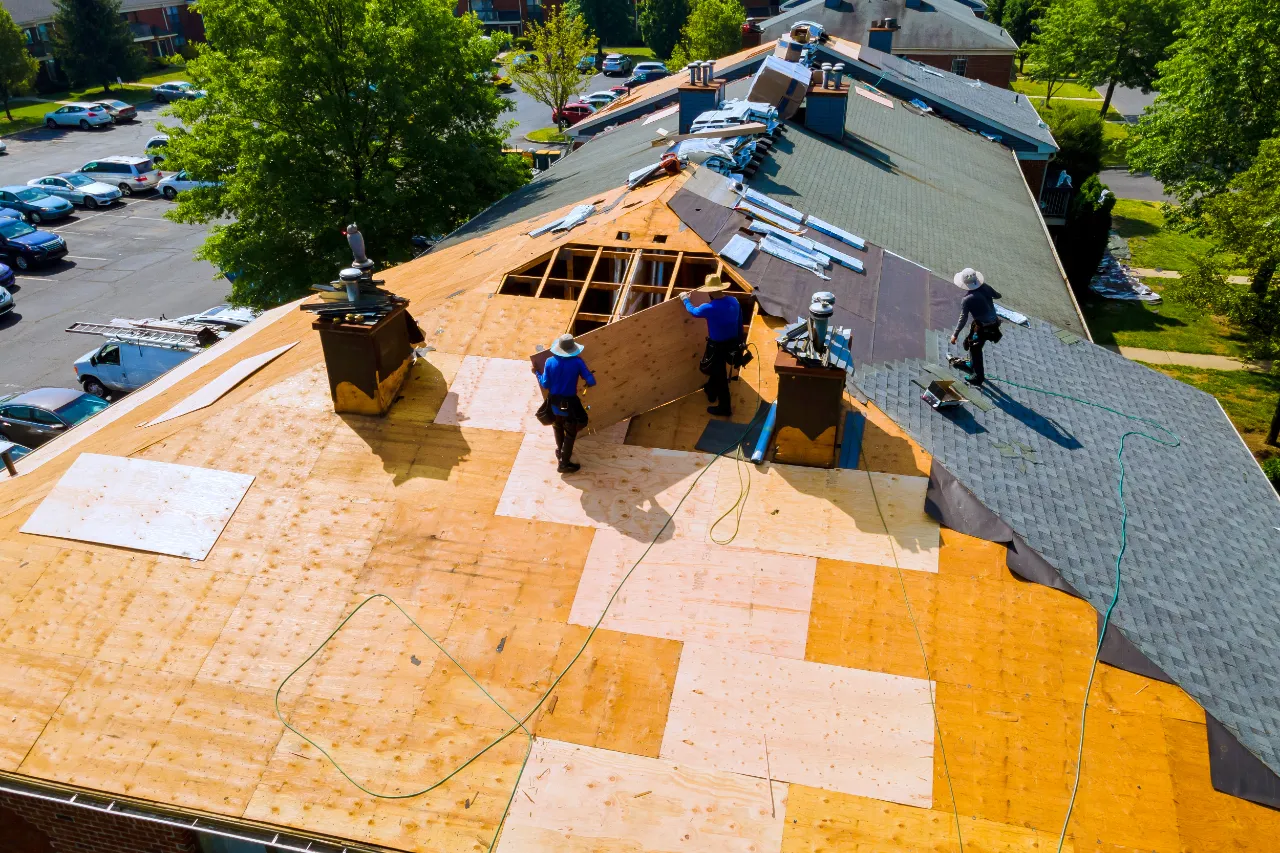
Ask three contractors how long a roof lasts in New England and you’ll get three different numbers, because the honest answer is that it depends on things nobody puts on the shingle wrapper. Two identical roofs installed the same week on the same street can be a decade apart in service life, and the difference usually comes down to what’s happening underneath: whether the attic is vented, whether the eaves are protected, whether the flashing was rebuilt or reused. Add a New England winter to that and the variables multiply. Freeze and thaw cycles, ice at the eaves, wet snow load, and sun on a south facing slope all age a roof at different rates. Instead of quoting you a number that may not apply to your house, here’s what actually drives roof lifespan around here, and how to tell where your own roof sits on that curve right now.
Ventilation Decides More Than the Material
A roof that can’t breathe cooks from underneath. Without a working soffit to ridge path, hot attic air sits against the deck all summer and bakes the shingles from the back side, which drives out the oils that keep them flexible. In winter the same trapped air melts snow and builds ice at the eaves. We’ve opened plenty of roofs in Massachusetts and Vermont where the shingles on a well vented slope still had years left while the same shingles over a sealed off section were curled and brittle. Ventilation costs very little compared to the roof itself, and it’s the single biggest lever on how long that roof survives a New England climate.
Installation Details You Never See
Most roofs that fail early don’t fail in the field. They fail at the transitions: chimney flashing that got a fresh bead of caulk instead of new metal, a valley that was woven when it should have been lined, a pipe boot that was reused because it looked fine, starter strip that was skipped at the rake. Those details cost a few hundred dollars during installation and thousands to chase later. Ice and water shield is the other one. Run it far enough up the slope past the interior wall line and backed up meltwater has nowhere to go. Stop it short to save a roll and you’ve built the leak in on day one.
Weather, Slope, and Exposure
Not every slope on your own house ages at the same rate. South facing sections take more sun and typically show wear first. North slopes stay damp and grow moss and algae, especially on wooded lots in New Hampshire and Vermont, and that growth holds water against the shingles. Low slope sections shed water slowly and fail well ahead of the steep ones, which is why porches and additions often need rubber membrane instead of shingles. Then there’s ice: eaves take the worst of it every winter, and that repeated backup is the most common reason a roof in this region gives out sooner than the same roof would somewhere warmer.
How to Tell Where Your Roof Stands
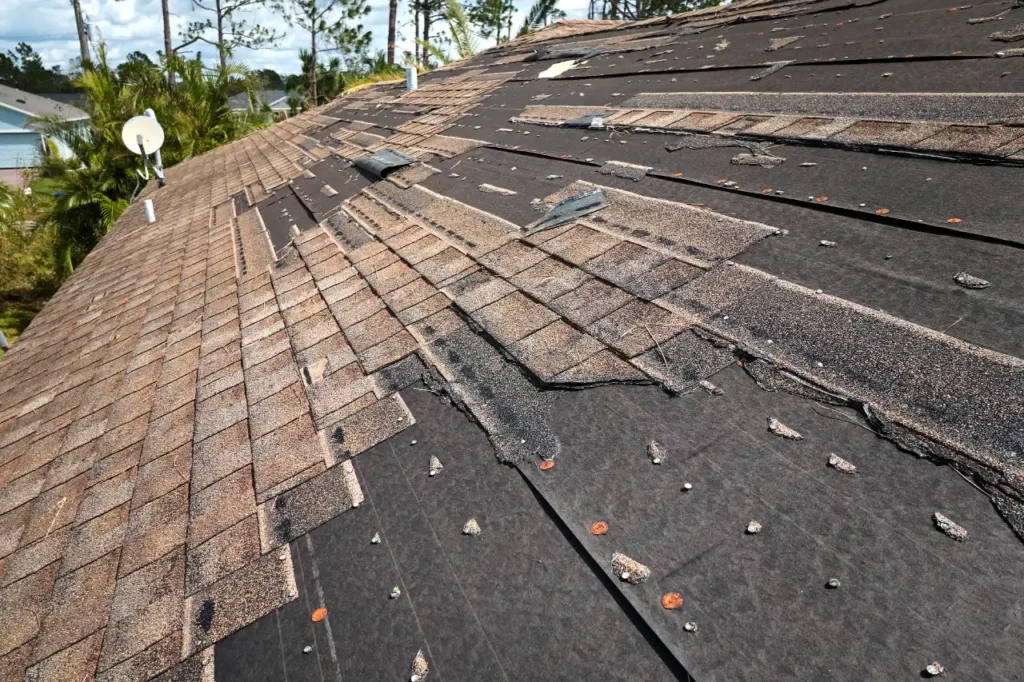
You don’t need to climb up to get a sense of it. Granules collecting in the gutters after every rain mean the shingles are giving up their surface. Curling edges, cracked tabs, and shingles that look dark and thin in patches all point the same direction. Inside, check the attic on a bright day for daylight at the eaves, damp insulation, and frost on the sheathing in winter. If repairs are showing up in different areas each season rather than the same spot, that’s usually age rather than a single defect. A written inspection with photos gives you a real answer instead of a guess, and it costs nothing to get one.