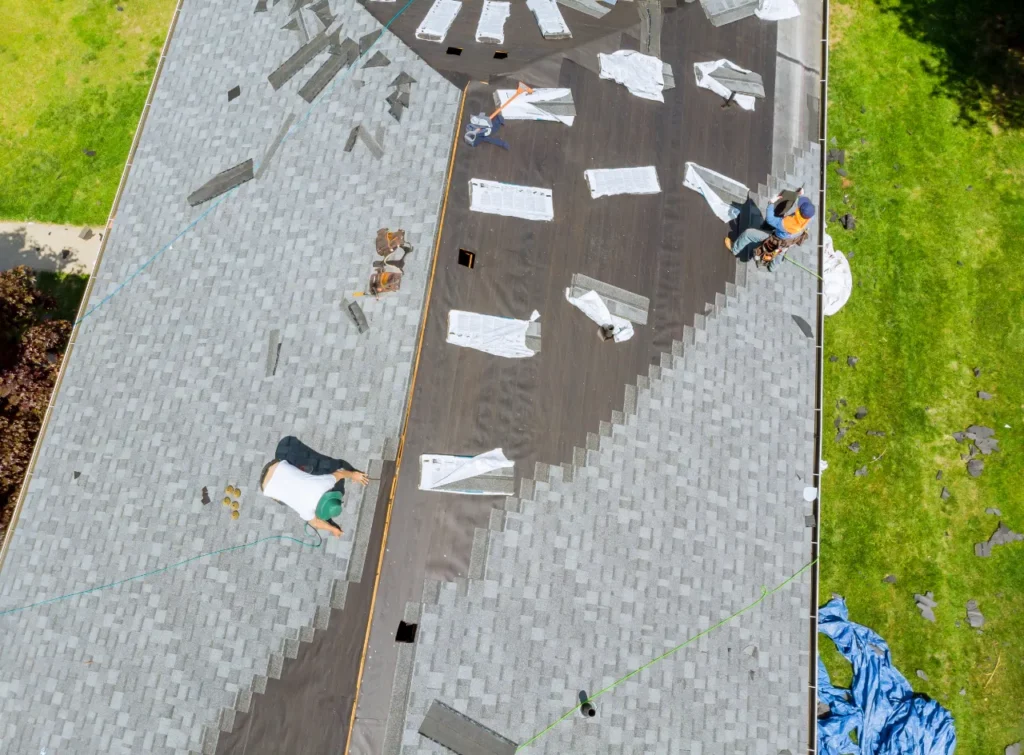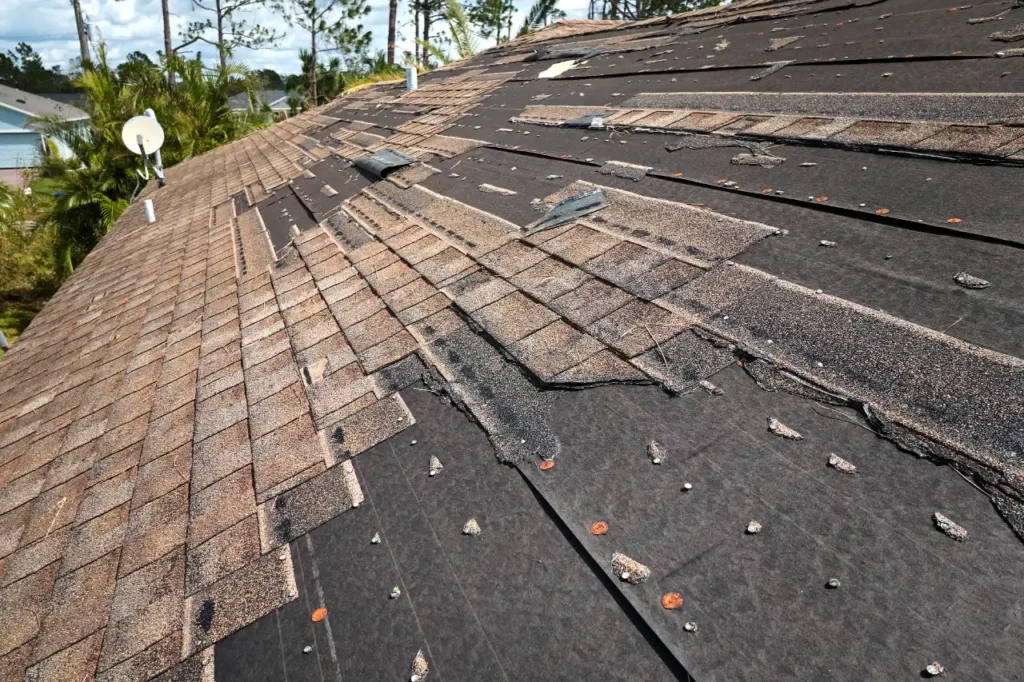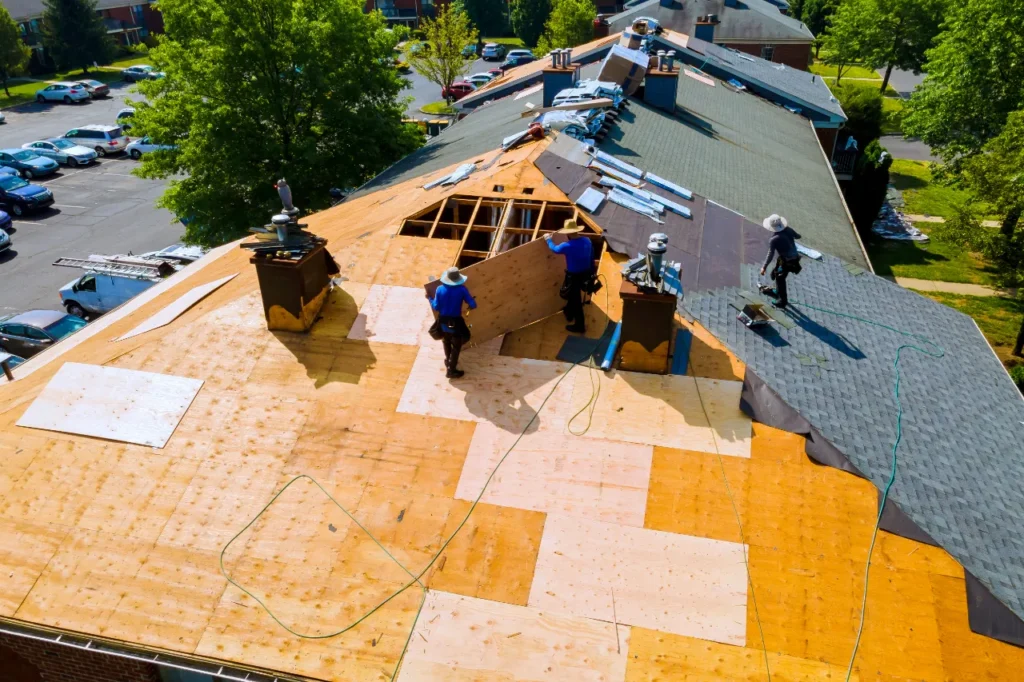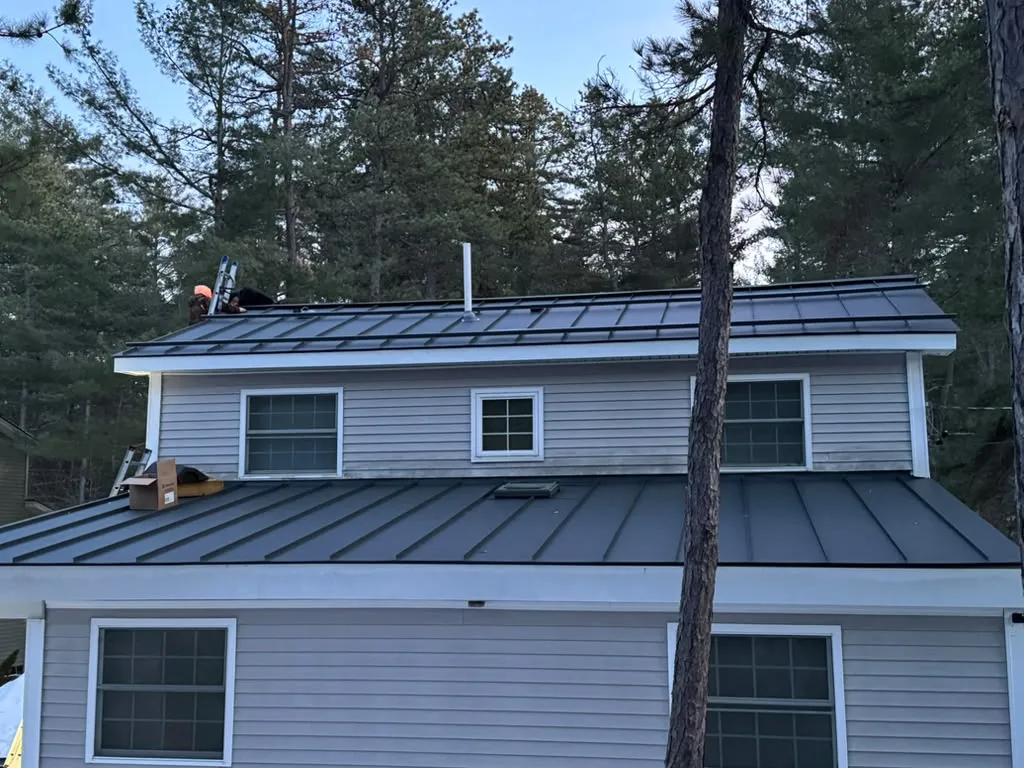
The best time to replace a roof in New England is the stretch from late spring through fall, when temperatures are steady enough for shingles to seal properly and crews aren’t fighting snow on the deck. That’s the easy part of the answer. The harder part is that the best season is also the busiest one, so the homeowners who get the dates they want are the ones who called before everyone else did. Meanwhile, a roof that’s actively leaking doesn’t get to wait for ideal conditions, and plenty of work gets done successfully in less than perfect weather when the crew adjusts its methods. So the real question here isn’t just which month on the calendar is ideal. It’s how urgent your own situation is, how flexible your schedule can be, and what tradeoffs come with each part of the calendar in a climate as unpredictable as this one.
Spring: Good Conditions, Growing Backlog
Spring is when winter damage surfaces. Ice dams have done their work, snow has cleared, and homeowners finally see the stains and missing shingles that were hidden in February. Temperatures climb into a workable range, shingles seal properly, and the days get long enough for a crew to finish a house in fewer trips. The catch is that everyone else is discovering their problems at the same time, so schedules fill quickly from March onward. Spring rain also moves jobs around, since nobody opens a roof with a storm coming. If you know a replacement is coming this year, spring is a good time to get the inspection done even if the work lands later.
Summer: The Most Predictable Window
Summer offers the most reliable stretch of working weather in New England, which is why it’s the core of the season. Shingles seal fast in warm temperatures, which matters for wind resistance, and crews can plan multi day jobs with reasonable confidence that they’ll finish them. Heat is the tradeoff. Working on a dark roof in July is brutal, so crews start early and the day ends sooner than you might expect. Material availability is generally good, though specialty items like custom metal panels have lead times worth planning around. If your roof isn’t an emergency and you want the smoothest experience, booking summer work in late winter is the move.
Fall: The Sweet Spot, If You Book Early
Fall is arguably the best combination of conditions: mild temperatures that are easy on crews, shingles that still seal reliably, and the obvious motivation of getting ahead of winter. It’s also the tightest scheduling window of the year, because every homeowner who put it off all summer calls in September. By mid autumn the calendar in most of Massachusetts and Vermont is full, and the weather starts making its own decisions about which days are workable. If your goal is a new roof before the first real snow, the practical deadline is earlier than most people assume. Calling in late summer gives you actual choices instead of whatever date is left.
Winter: Possible, With Adjustments
Roofs do get replaced in winter here, because sometimes there’s no alternative. Cold changes the work: shingles are more brittle and don’t seal on their own until temperatures rise, so installation methods and fastening change accordingly. Snow has to come off the deck first, daylight is short, and the crew has to work safely on a surface that can turn icy fast. None of that makes winter work impossible, and an active leak absolutely should not wait until April. What it does mean is that winter is a response to a problem rather than a plan. If your roof gives you the choice, use the warmer months. If it doesn’t, the work still gets done properly.