Short answer: in most Massachusetts cities and towns, a full roof replacement needs a building permit, and the contractor doing the work should be the one pulling it. Requirements are set locally, so the exact process in Brockton isn’t identical to a small town in the Berkshires, but the pattern is consistent across the state. Tear off and replace means a permit. Small repairs usually don’t. Homeowners run into trouble in two ways: either a contractor tells them a permit isn’t needed to keep the price down, or the homeowner pulls it themselves without realizing what that means if something goes wrong. Both create headaches that show up later, often when the house is being sold and an inspection turns up unpermitted work on the roof. Here’s how the permit process actually works on a residential roof in this state, what inspectors care about, and what to ask before you sign anything.
When a Permit Is Required
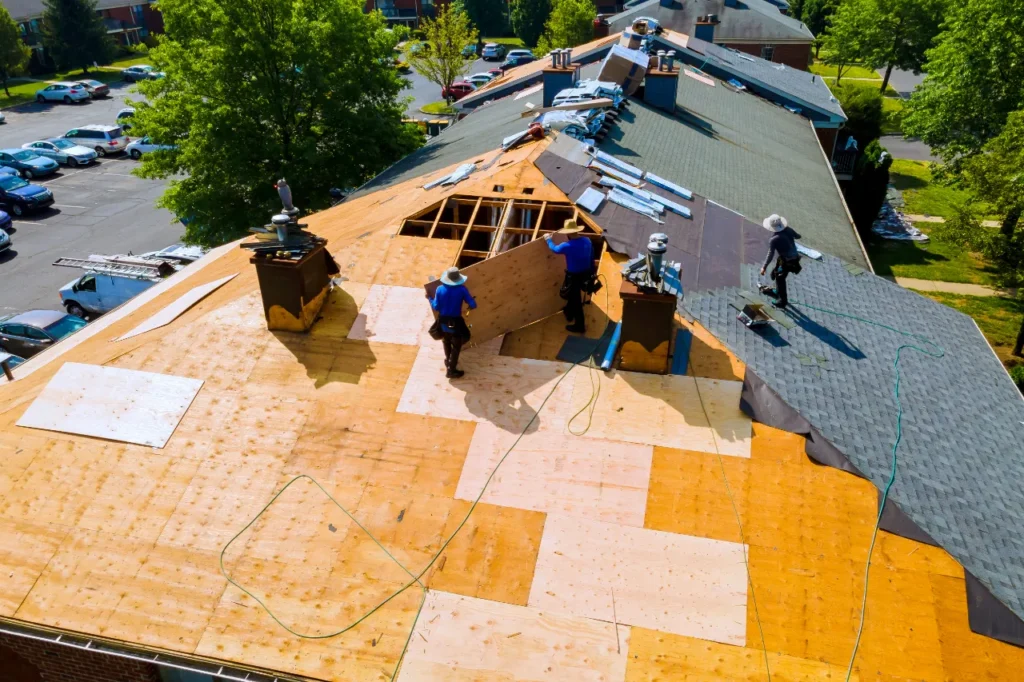
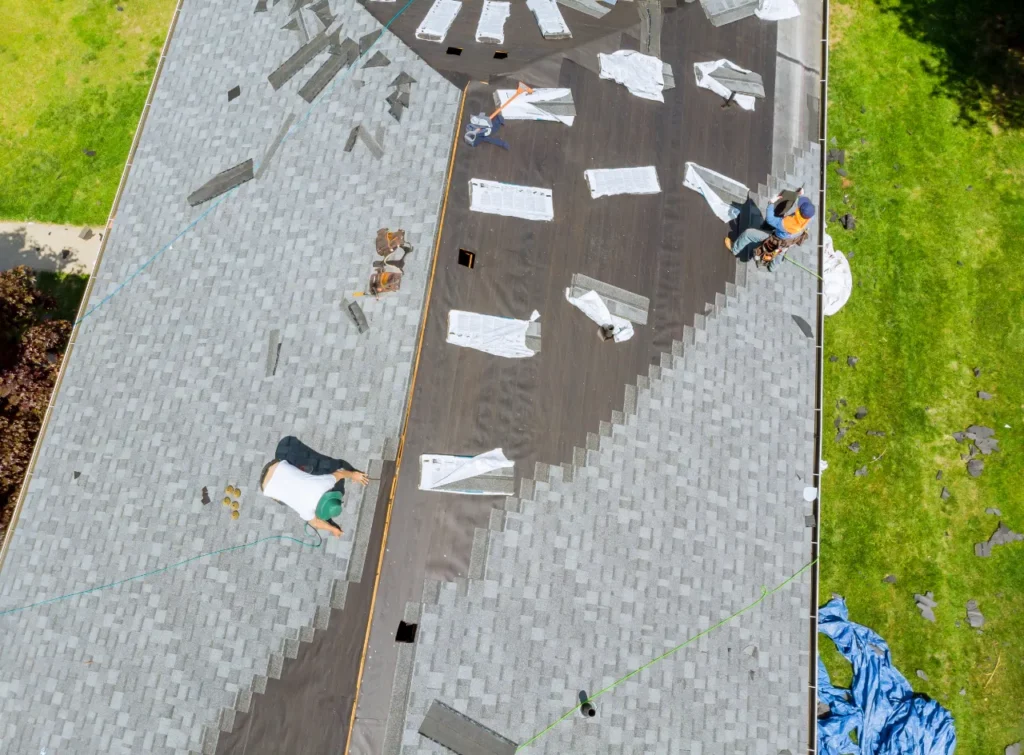
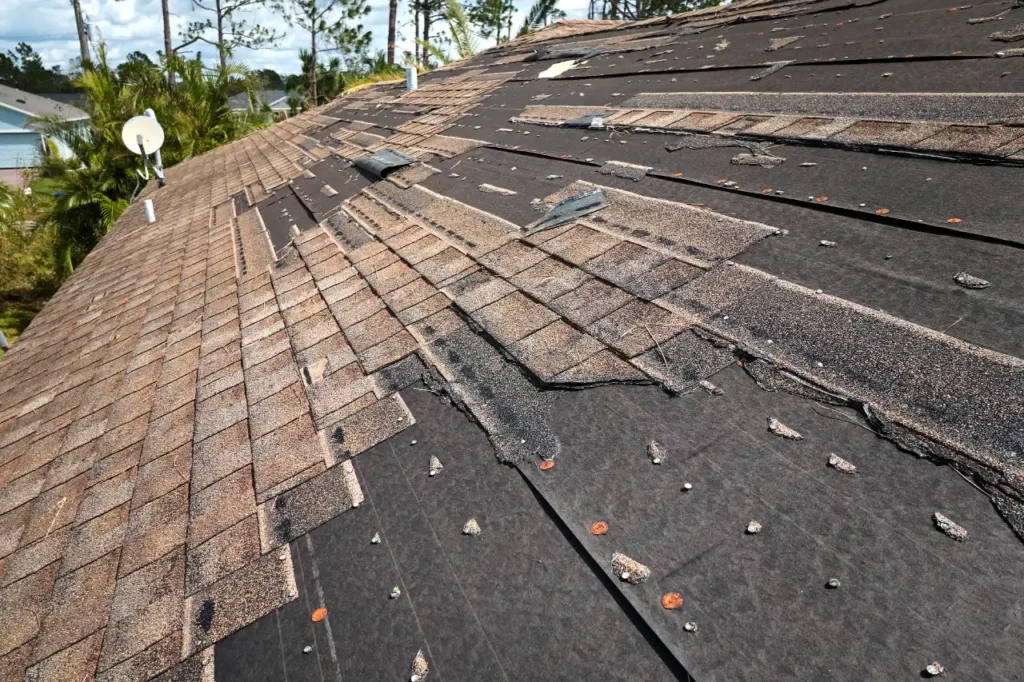
The general line is between repair and replacement. Swapping a handful of damaged shingles, fixing a pipe boot, or resealing a section of flashing is maintenance and usually doesn’t trigger a permit. Tearing off an existing roof down to the deck and installing a new system does, because the work touches the structure and the weather barrier of the building. Adding a layer over an existing roof typically requires one as well, and many towns limit how many layers are allowed. Since requirements are set at the municipal level, the reliable move is to check with the local building department before work starts. Any established contractor already knows the process in the towns they work in and handles it as a matter of course.
Who Should Pull It, and Why It Matters
Your contractor should pull the permit, not you. When a homeowner pulls a permit for work they aren’t performing, they take on responsibility that would otherwise sit with the licensed party doing the job. If the work is defective, that shifts the conversation in a direction no homeowner wants. A contractor who asks you to pull the permit yourself is telling you something about their situation, and it’s worth asking why directly. Massachusetts also has home improvement contractor registration requirements, and consumer protections that apply to residential work depend on the contractor’s status. Before signing, ask who pulls the permit, ask for it in writing in the contract, and ask to see the permit posted once work begins.
What the Inspector Actually Checks
Inspections on a residential roof are not adversarial. The inspector is confirming that the work matches code and the permit: that the deck is sound, that ice and water shield is present where the code requires it, that flashing and ventilation are addressed, and that the installation follows the manufacturer’s instructions. In a climate like ours, the eave protection detail gets attention, because that’s where backed up water causes damage. A crew that details a roof properly has nothing to worry about in an inspection, and the paperwork closes out cleanly. A crew that skipped steps to hit a low price is where problems surface, usually with the homeowner stuck in the middle of it.
What Happens If You Skip It
Unpermitted roof work rarely causes an immediate problem, which is exactly why people risk it. It surfaces later. During a sale, a buyer’s inspection or an attorney’s title review can flag work that was never permitted or closed out, and that turns into a delay, a price negotiation, or a demand to open the work back up. Insurance claims get complicated when a carrier learns that structural work was done without a permit. And you lose the record: a closed permit is documentation that the roof on your house was done to code at a known date. That’s worth something the day you sell, and it costs very little to do right in the first place.